The Project
Abstract
Photonics has the potential to revolutionize many sectors. The envisioned transition from electronics to photonic technologies requires advanced and miniaturized optical devices. Planar optical components, realized as micro and nanoscale structured surfaces, are at the forefront of this transition. However, their fabrication with traditional methods is still a barrier for their widespread use in applications. A photolithographic process that fully exploits the multiple degrees of freedom of the light is part of the solution.
HyperMaSH will introduce a radically new concept for surface photopatterning of advanced planar optical components: the Vector-Time-Color Hyper Lithography. I will define a multi-dimensional space of lithography parameters, where the intensity pattern, the polarization distribution, the time evolution, and the wavelength of a holographic light field are simultaneously and synergically engineered.
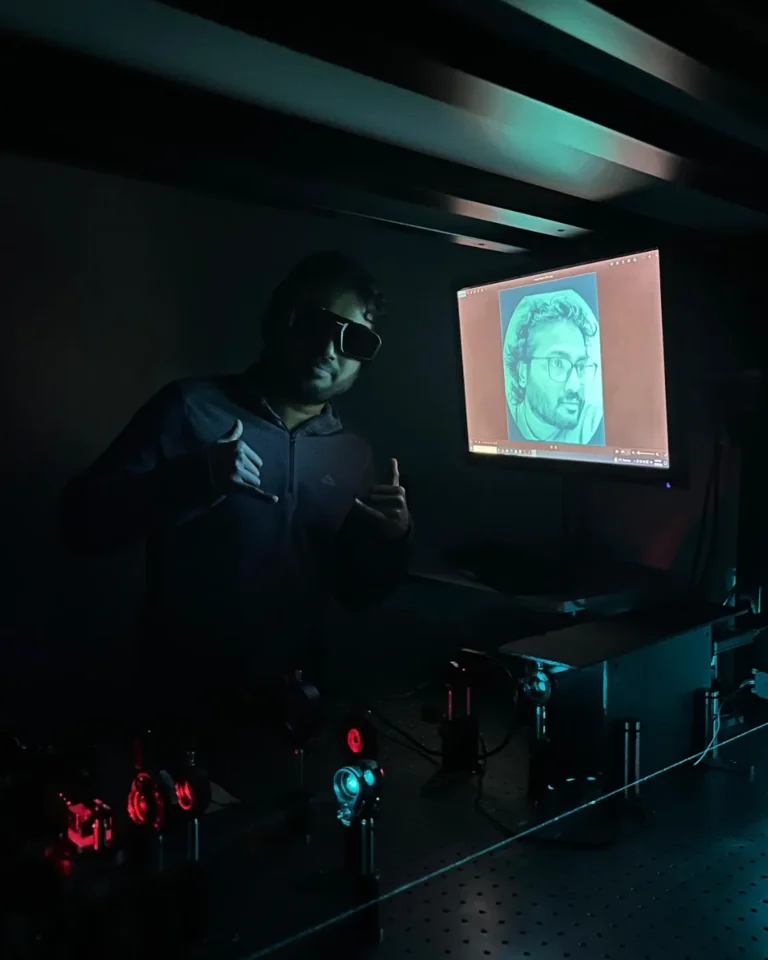
For HyperMaSH’s approach I will leverage the peculiar vectorial and reversible photoresponse of azobenzene-containing materials in combination with Jones matrix holography and digital holographic microscopy. The result will be the dynamical and reversible manipulation of the surface morphology on micro and nano spatial scale. Operating diffractive optical components and metasurfaces will be directly produced without any of the post-exposure processes of the standard photolithography.
I will realize a paradigm shift by developing an unprecedented direct and high-resolution patterning method with reduced environmental impact and energy consumption. Results will have far-reaching implications beyond the fabrication of planar optical components to be used directly or as reusable masters for surface templating, realizing a general lithographic method for functional structured surfaces and contributing to the understanding of the complex light-matter interaction occurring in azomaterials.
Grant agreement ID: 101164874

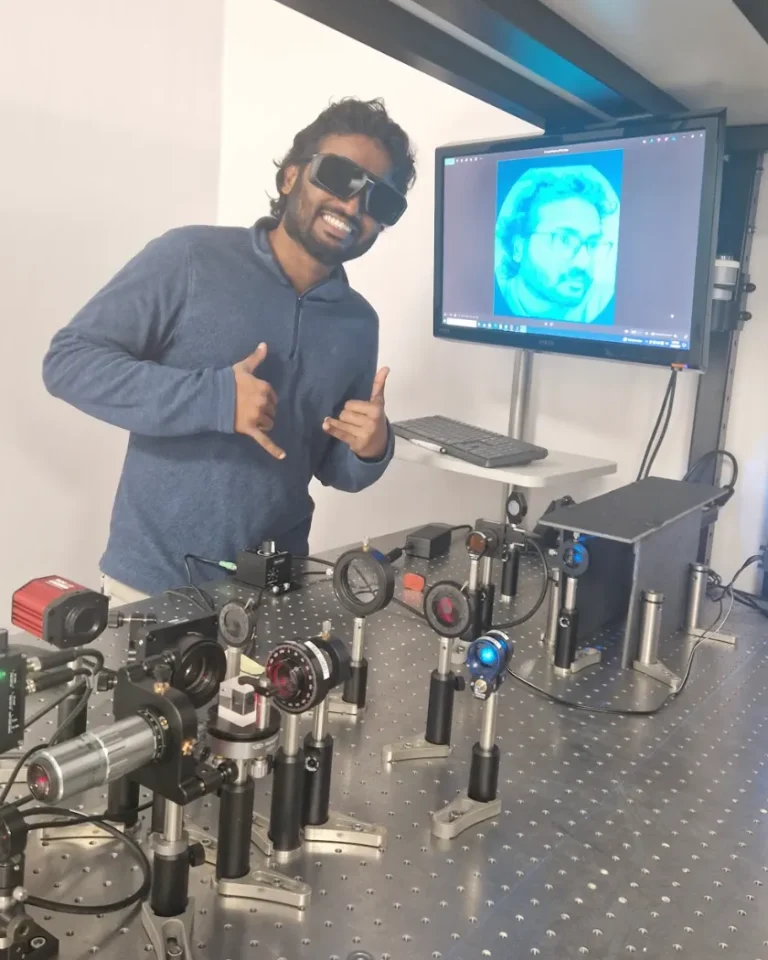
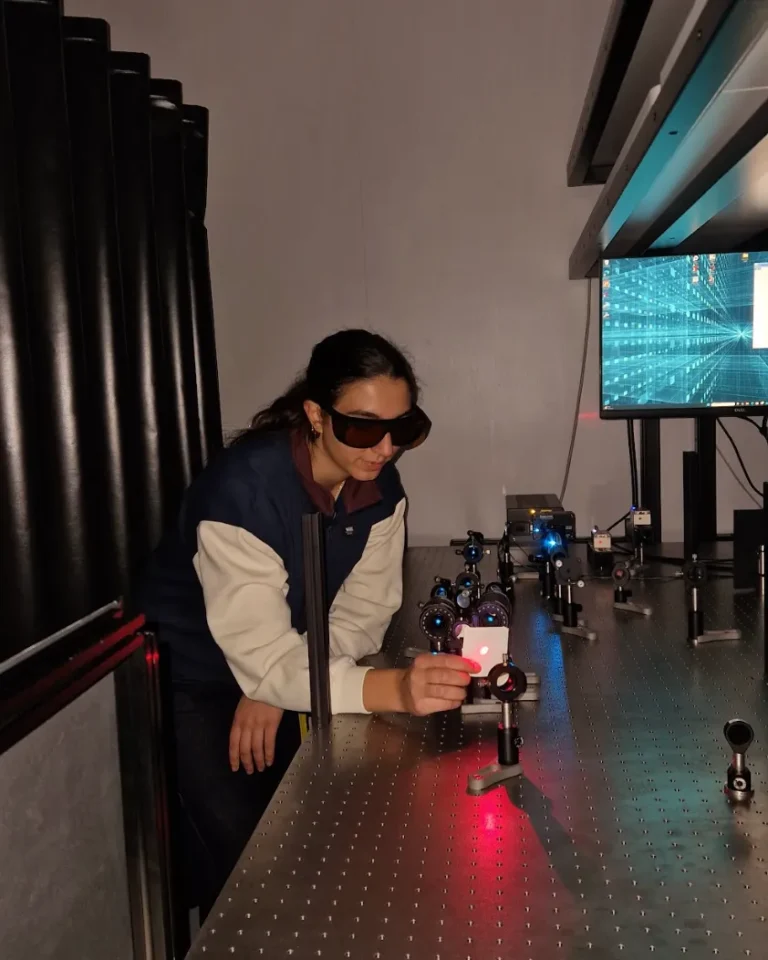
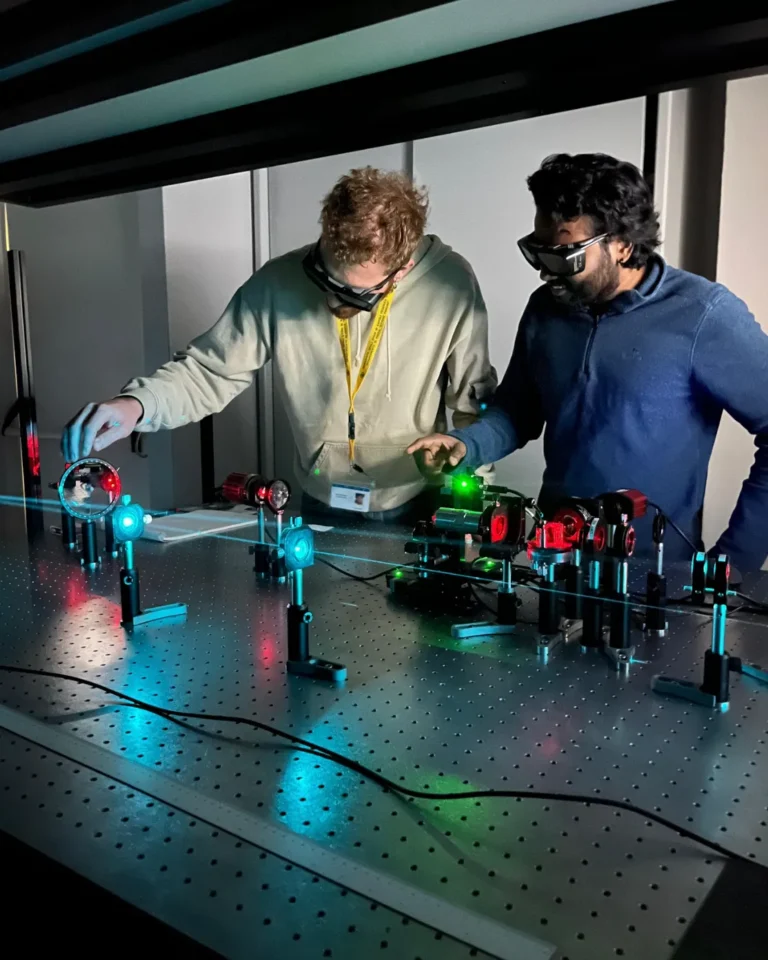
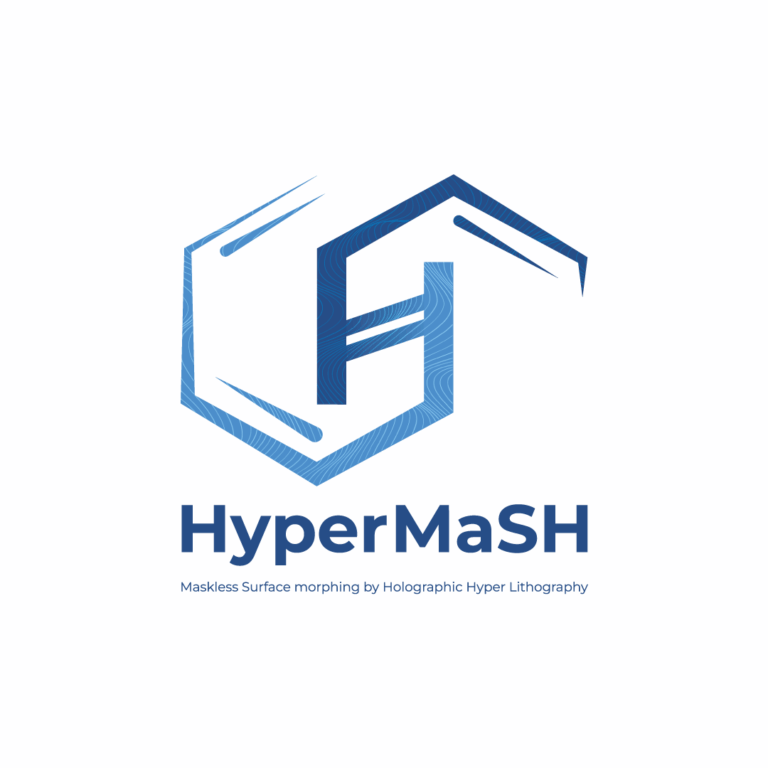
The HyperMaSH logo
1. The Conceptual Foundation
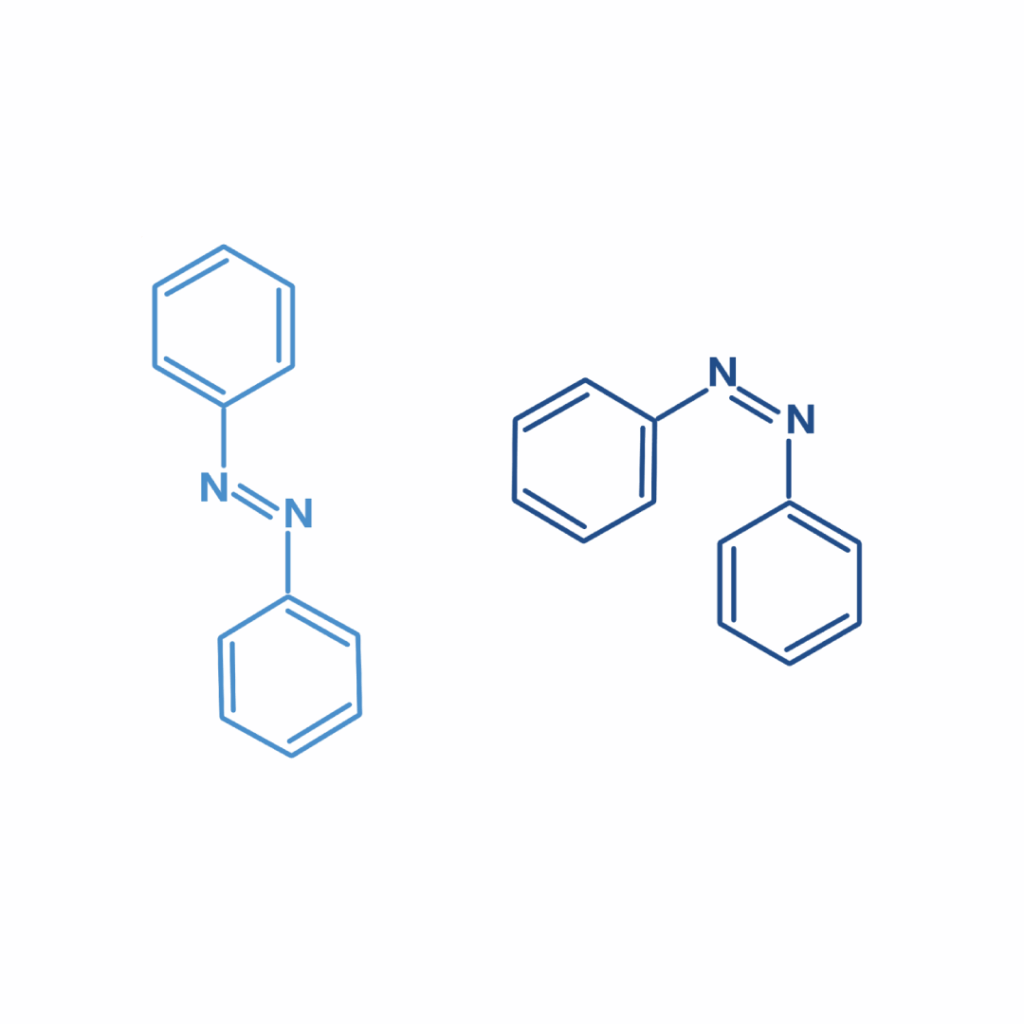
The scientific vision of HyperMaSH originates from a single molecule: azobenzene. First synthesized in 1834, its striking red–orange color quickly captured the attention of the early dye industry, where it was used as a pigment. However, scientists discovered that azobenzene could exist in two distinct configurations a trans, thermally stable state and cis metastable state, which can reversibly switch between each other under illumination.
Ultraviolet light drives the trans-to-cis transition, while visible light or thermal relaxation restores the molecule to its original state. This simple mechanism, a reversible, light-driven change in molecular geometry, transformed azobenzene from a pigment into a smart material.
Over the following decades, researchers recognized that the sensitivity of azobenzene-containing materials extended beyond the intensity of light to include its polarization, wavelength, and temporal modulation. In other words, azobenzene materials could respond not just to light’s brightness, but to its vectorial structure to how light is organized in space and time.
This discovery inspired entire fields of research, extending from photoresponsive polymers, smart coatings, drugs delivery, and light-controlled materials, all rooting in the molecule’s unique ability to convert optical energy into mechanical motion at different spatial scales, an insight that forms the conceptual foundation of HyperMaSH.
2. The Scientific Vision
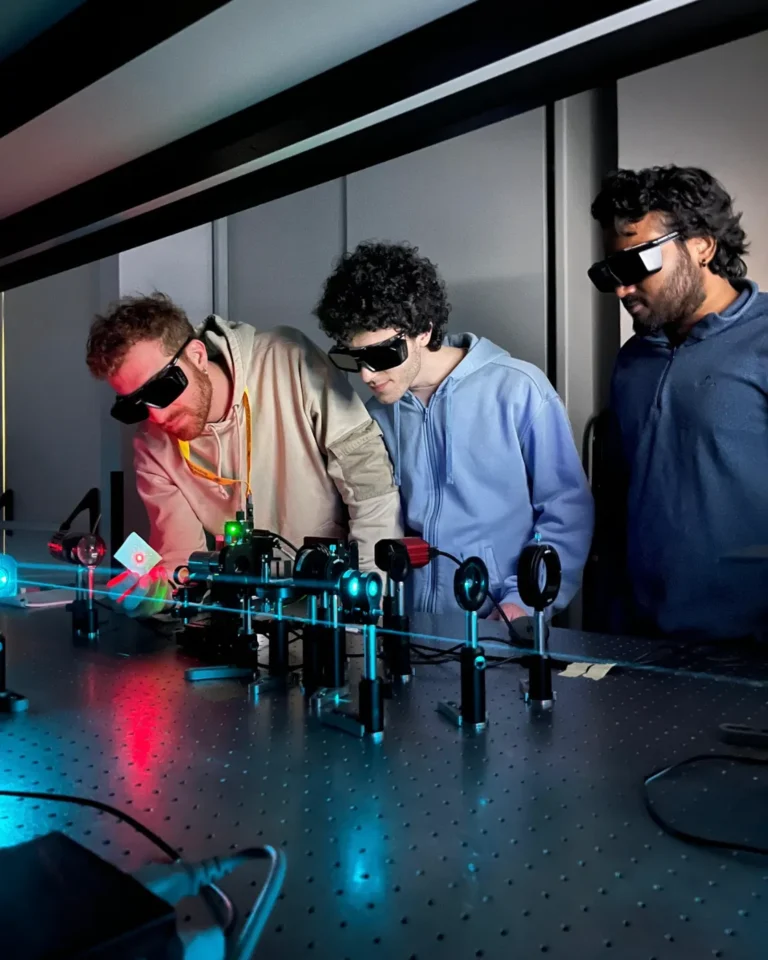
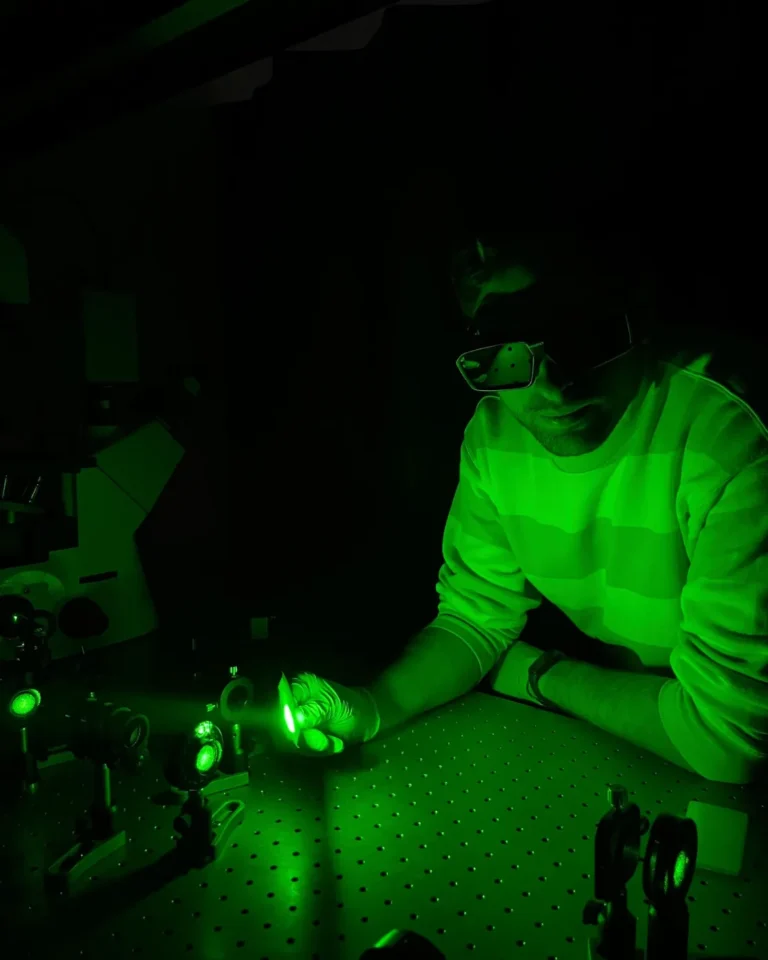
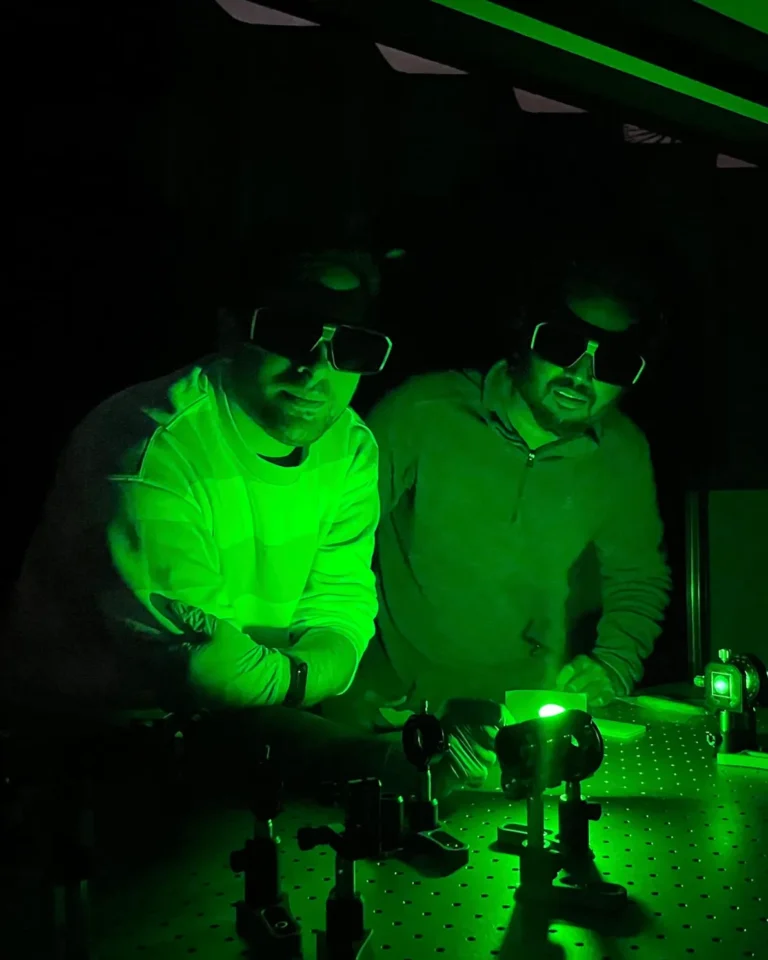
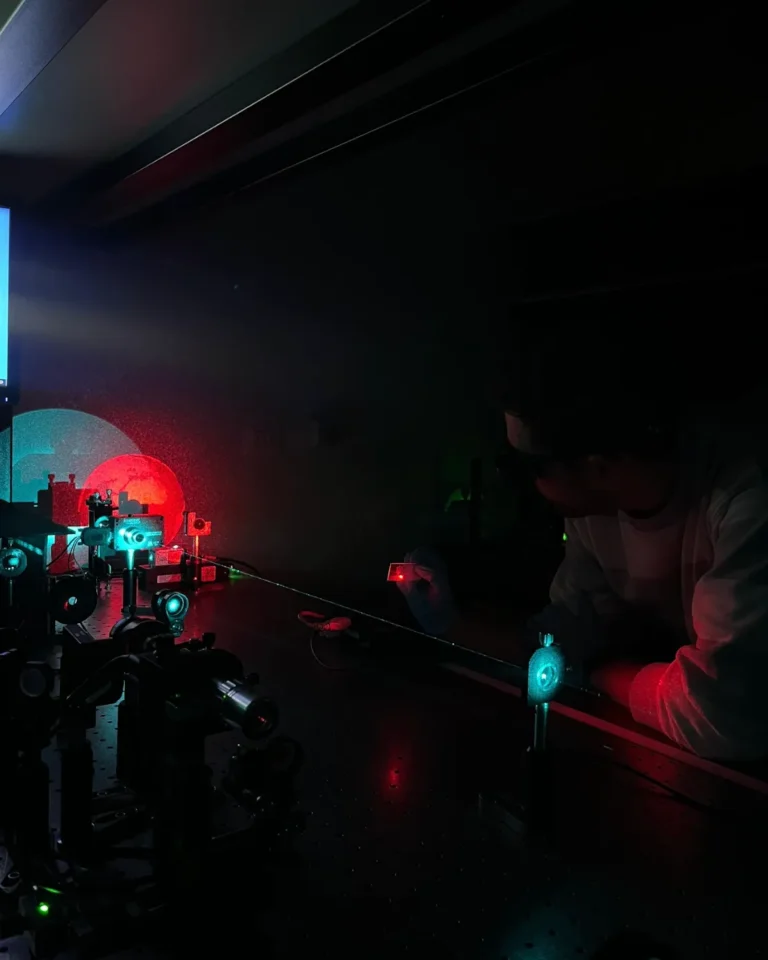
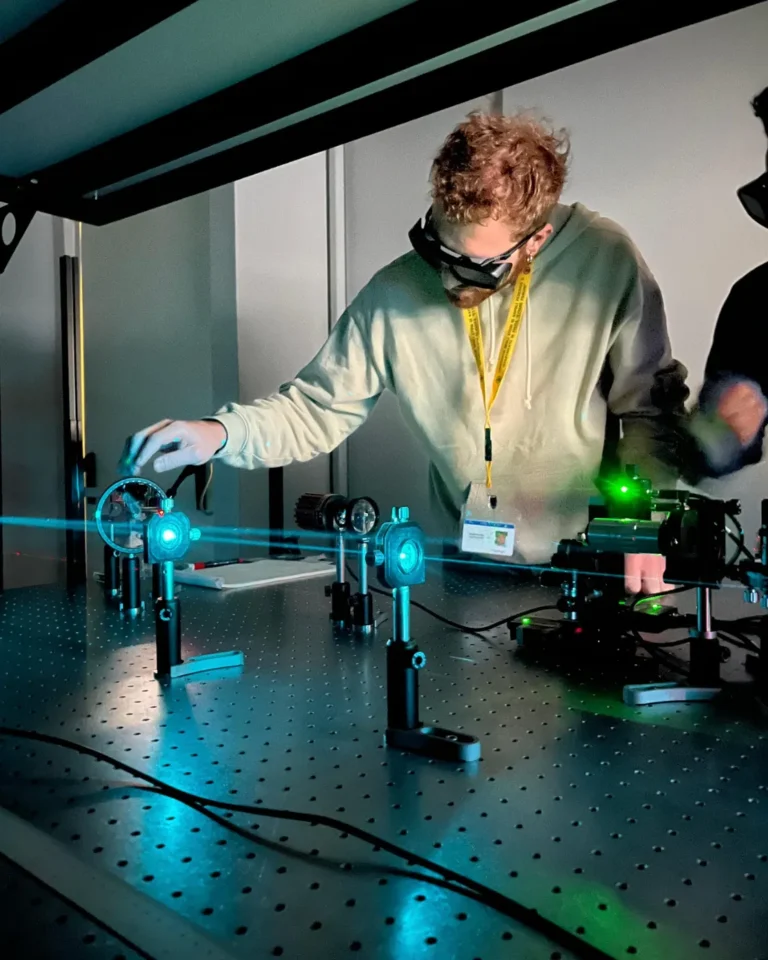
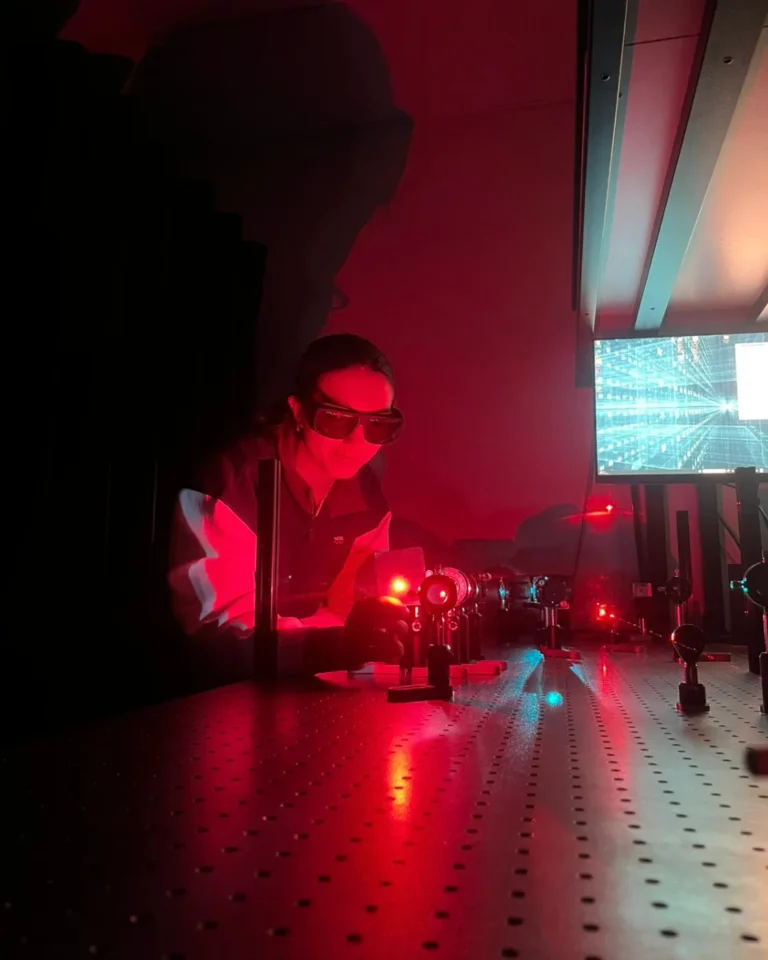
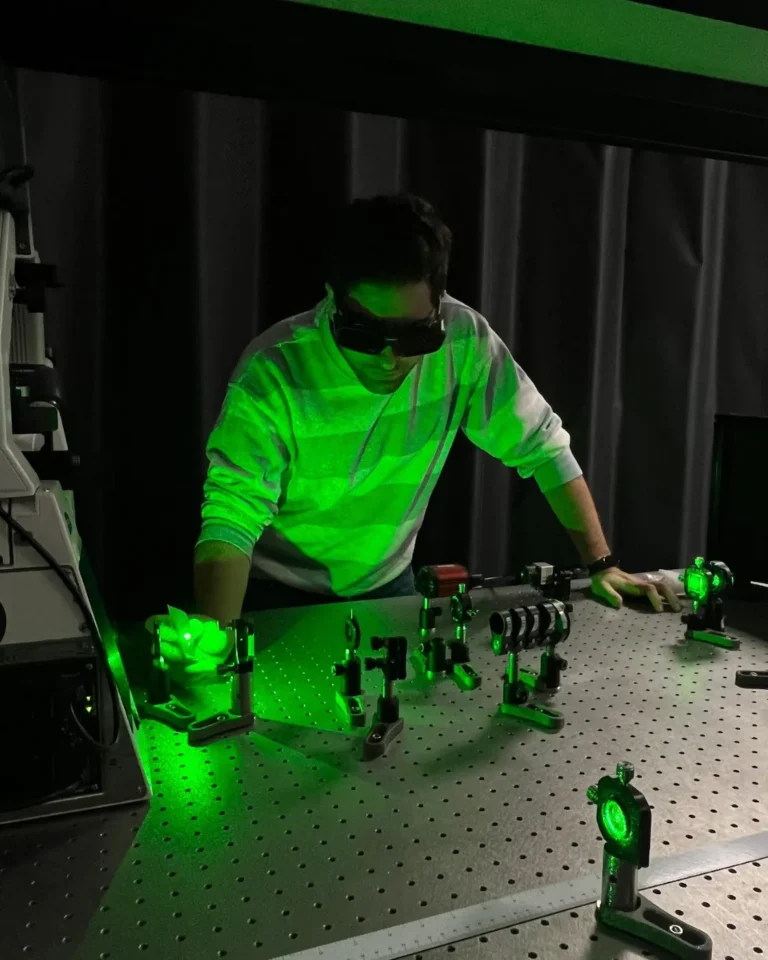
HyperMaSH introduces the concept of Vector–Time–Color Hyper Lithography, a method that exploits the multiple degrees of freedom of light including intensity, polarization, time, and wavelength to directly and dynamically morph the surface of films of azobenzene-containing materials.
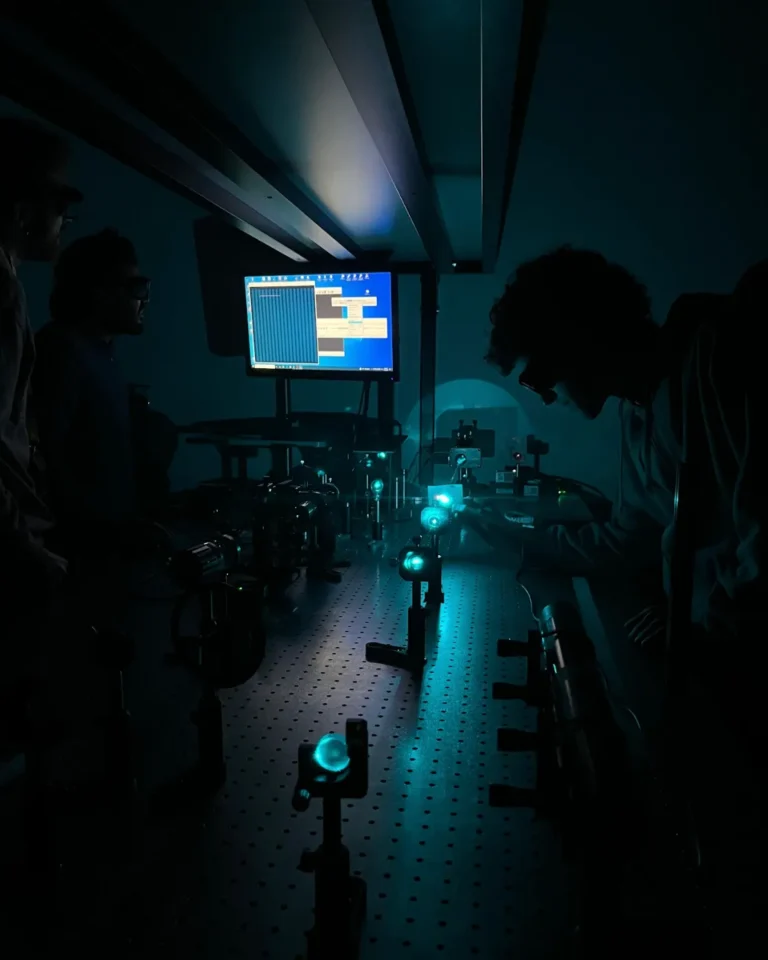
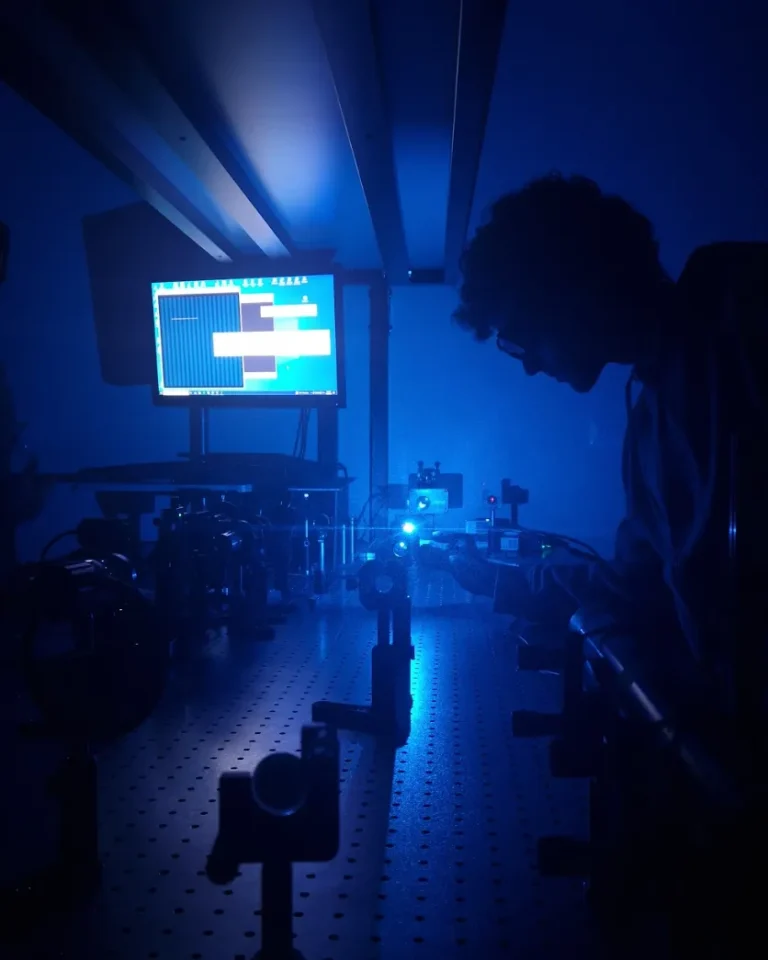
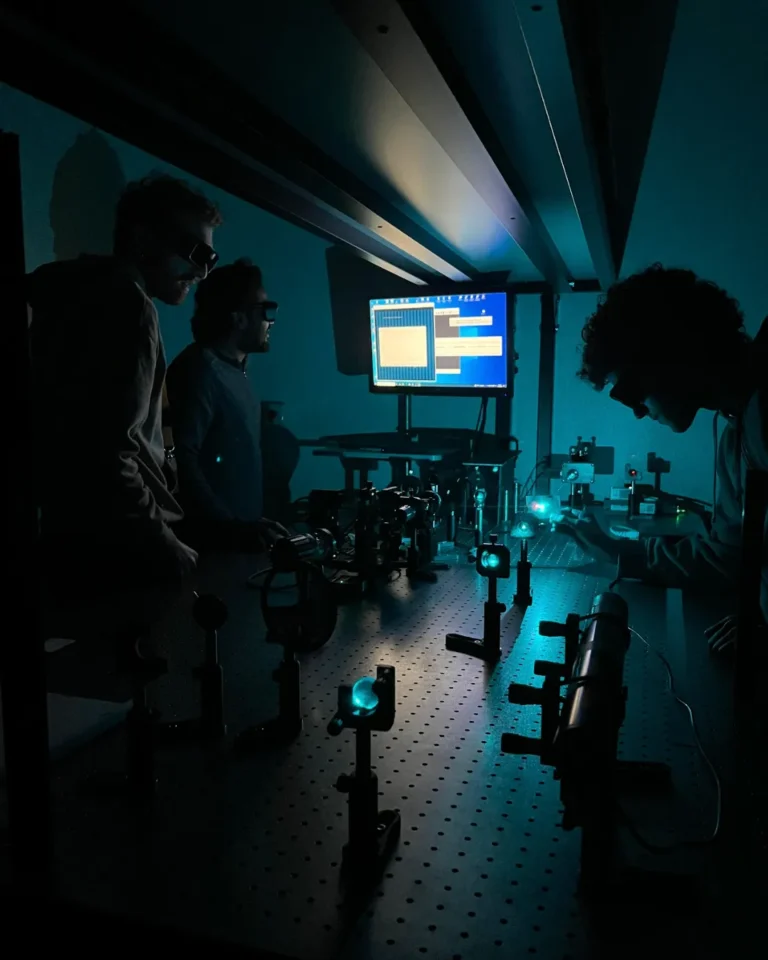
By integrating Jones-matrix holography, providing full vectorial control of the light field; digital holographic microscopy, enabling real-time topographic monitoring; and AI-assisted modeling, correlating experimental and theoretical data to model and predict surface response, HyperMaSH defines a hyper-dimensional lithographic space, where each coordinate corresponds to a distinct configuration of fully structured light.
The results go far beyond conventional photolithography, enabling a direct surface patterning that fully uses time-dependent vectorial holograms, even with sub-diffraction resolution capabilities.
3. The Logo and Visual Identity
The HyperMaSH logo is the visual expression of the project’s core concepts and scientific principles. At its center is the letter “H” derived from the molecular skeleton of the azobenzene molecule, represented by two hexagonal aromatic rings connected by a double bond (N=N). This stylization symbolizes the reversible photoisomerization process that defines its behavior.
The internal contour lines evoke surface topographies and light patterns, expressing the direct relationship between optical fields and morphological response, as visual metaphors for the continuous surface morphing that lies at the heart of HyperMaSH.